Home
 Baylor professor, scientist, and author whose research and writing beginning in the 1980s pioneered the study of religion and health
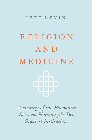
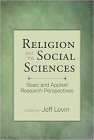
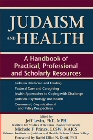
Both biomedical scientist and religious scholar, Dr. Jeff Levin is an internationally known professor and author working at the interface of religion, science, and medicine. His research for over 35 years has helped to broaden the perspectives of physicians, scientists, and public health professionals about the connections among body, mind, and spirit.
An epidemiologist by training, Dr. Levin holds a distinguished chair at Baylor University, where he is University Professor of Epidemiology and Population Health, Professor of Medical Humanities, and Director of the Program on Religion and Population Health at the Institute for Studies of Religion. He also serves as Adjunct Professor of Psychiatry and Behavioral Sciences at Duke University School of Medicine.
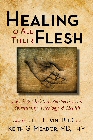
Dr. Levin is a pioneer in the field known as the epidemiology of religion—the scientific study of how characteristics and expressions of religious faith and practice serve to prevent morbidity and mortality and to promote health and well-being. His current research and writing are focused on three areas: (a) social and epidemiologic research on religion and population health, (b) theories of healing and the work of healers, and (c) faith-based initiatives in health policy and public health.
Through his work, Dr. Levin has sought to establish the foundations for a new perspective in biomedical science in which “everything in existence—inside and outside of our bodies, from the smallest molecule to the actions of a loving God—is fair game for research on how and why people stay well, become ill, and get better.” His scientific research and scholarly writing have outlined the foundations of a truly integrative model of health and healing for the 21st Century.